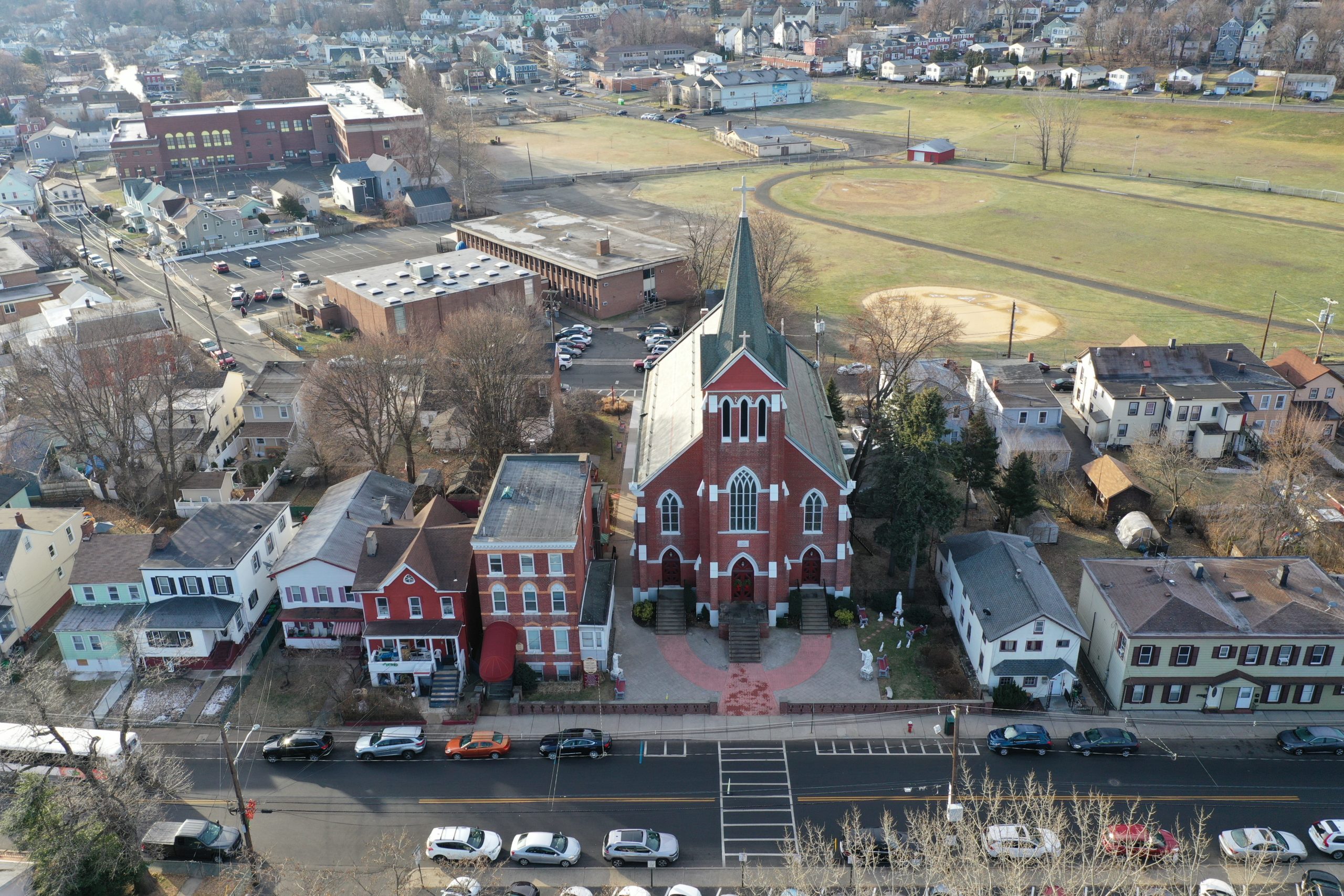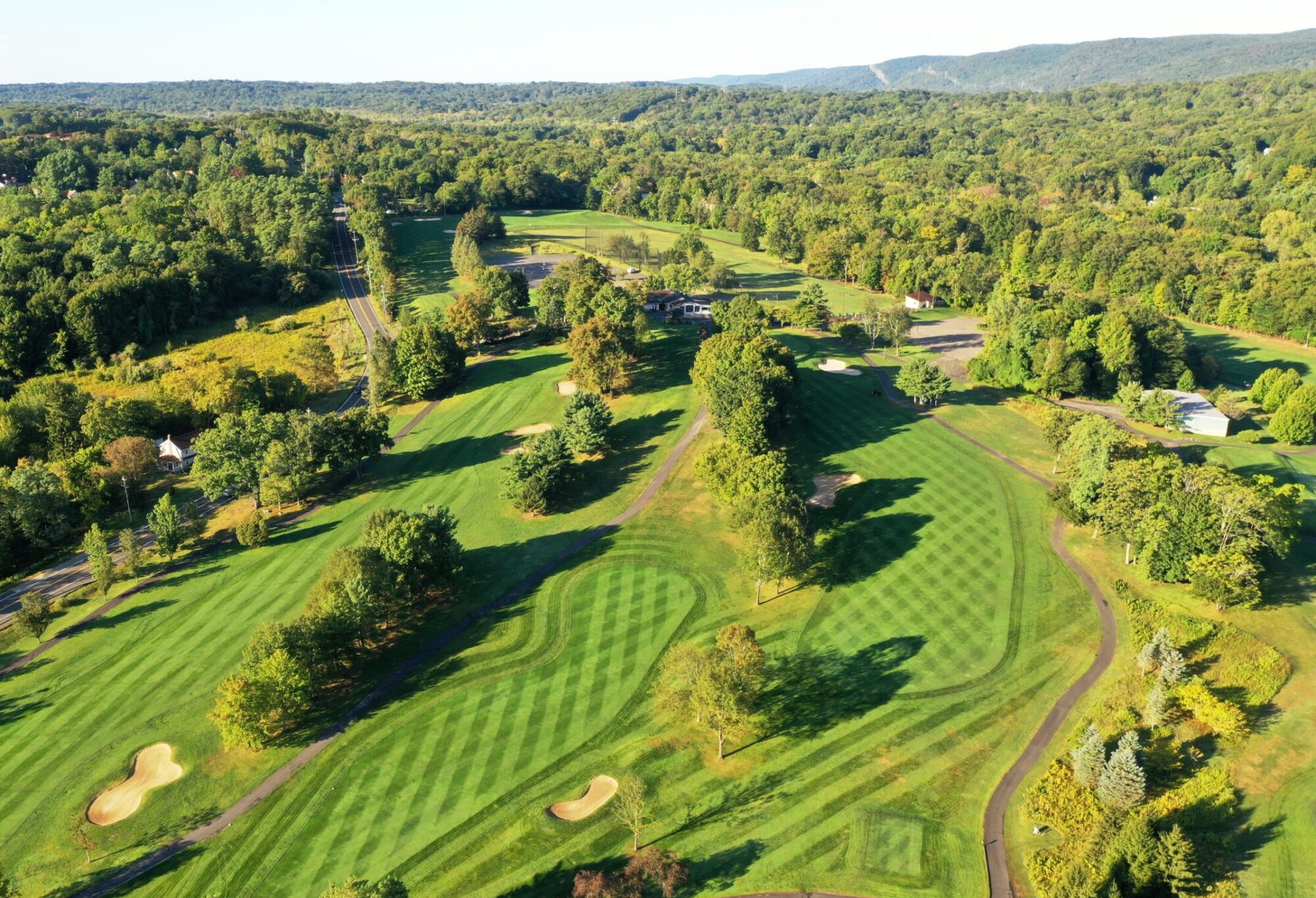

A defining mark on the landscape of Haverstraw are the abandoned clay pits of brick makers Derbyshire, Eckerson, Archer, Allison, Fredrick, and Gilles. What later was Markham Field and the terminus of the NJ&NY Railroad, the inland excavations were the lifeblood of Haverstraw brick making for the first 50 years.

In 1810, the first known brickyard in North Rockland was operating inland along the Minisceongo Creek in the area of Samsondale and Tanneyanns Lane. James Wood was producing brick by hand south of the Village in early 1815 with the DeNoyelles Brothers on Riverside Avenue near Tilcon today, being the first to burn coal forever changing the Industry.
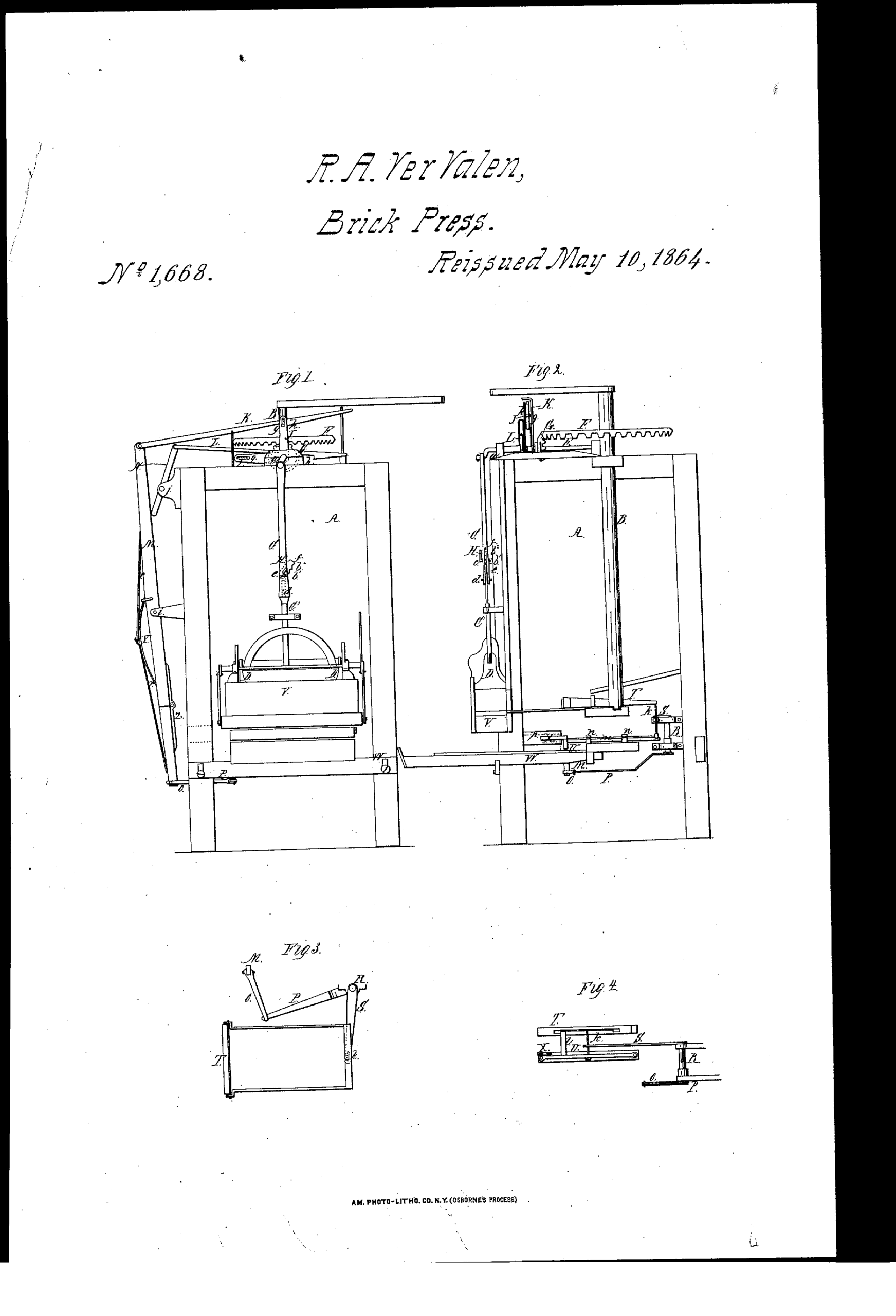
By the early 1850’s, with the VerValen machine the inland pits of Derbyshire and Eckerson were in full swing. Evidence of an early cut is behind the CP Church off West Broad Street today. What is the driveway west of #60 is the right of way to this original clay pit. A massive open excavation stretched from now West Broad Street to Archer Street that became 15 acres of highly valuable real estate in the center of the Village.

As you can see on the map, each of these inland pits had access to the river, either through direct ownership of land or public road access. The Derbyshire yard became Excelsior and going north; Fredericks and Gillies, Eckerson, Archer, and BJ Allison all had exclusive riverfront holdings that lasted for generations.

Public use of private property was a continual issue for the village with lawsuits from landowners almost non stop for 100 years . Partition Street was at grade with Jefferson Street, serving Excelsior and Gilles and Fredericks to the south. Warren Avenue was owned by the Eckersons. Extending to the edge of the inland bank, it was valuable piece if real estate at the time.
East of Broadway was another Eckerson property. The map below was proposed before the bank was excavated. Rockland and Allison were never officially dedicated, but the Village maintained them anyway. Many people had tenant rights to properties with the understanding that they were to be demolished once the clay excavation reached that location. This was always the plan for this property and it was never dedicated.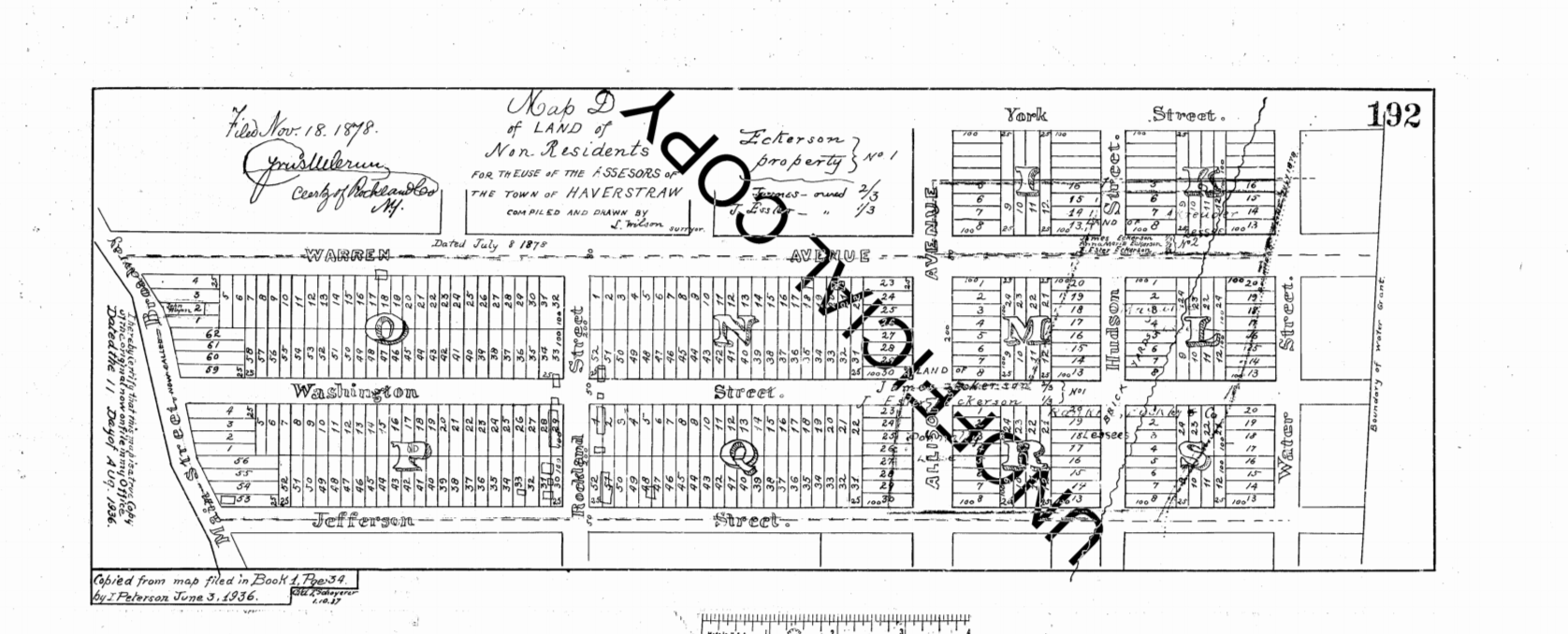
After many contentious lawsuits, Eckerson vs Village of Haverstraw in 1896 finds for the Village. In this Rockland Street case,
“the village insisted that it is a public highway, and have treated it as such, depositing material upon it for the purpose of filling it in at some points. The Eckerson family, alleging that such interference constitutes an invasion of their property rights, have brought this suit to restrain the village and its authorities from committing any further trespass of the same character”
In the end, the landslide took large parts of Rockland Street 10 years later. Jefferson Street is still on the bank but Warren street slid down to the floor of the excavation. The pit was flooded in a 1950’s nor’easter, leaving the bowline pond.
Allison, Orchard, and Edgar Streets today are examples roads to nowhere, ending at the edge of the inland bank, every year the street got shorter as the valuable clay was excavated. In 1887 the railroad made a cut on upper Broadway they called Brenan’s Bridge and the Haverstraw depot and yards of the NJ&NYRR were built on the floor of the excavation.